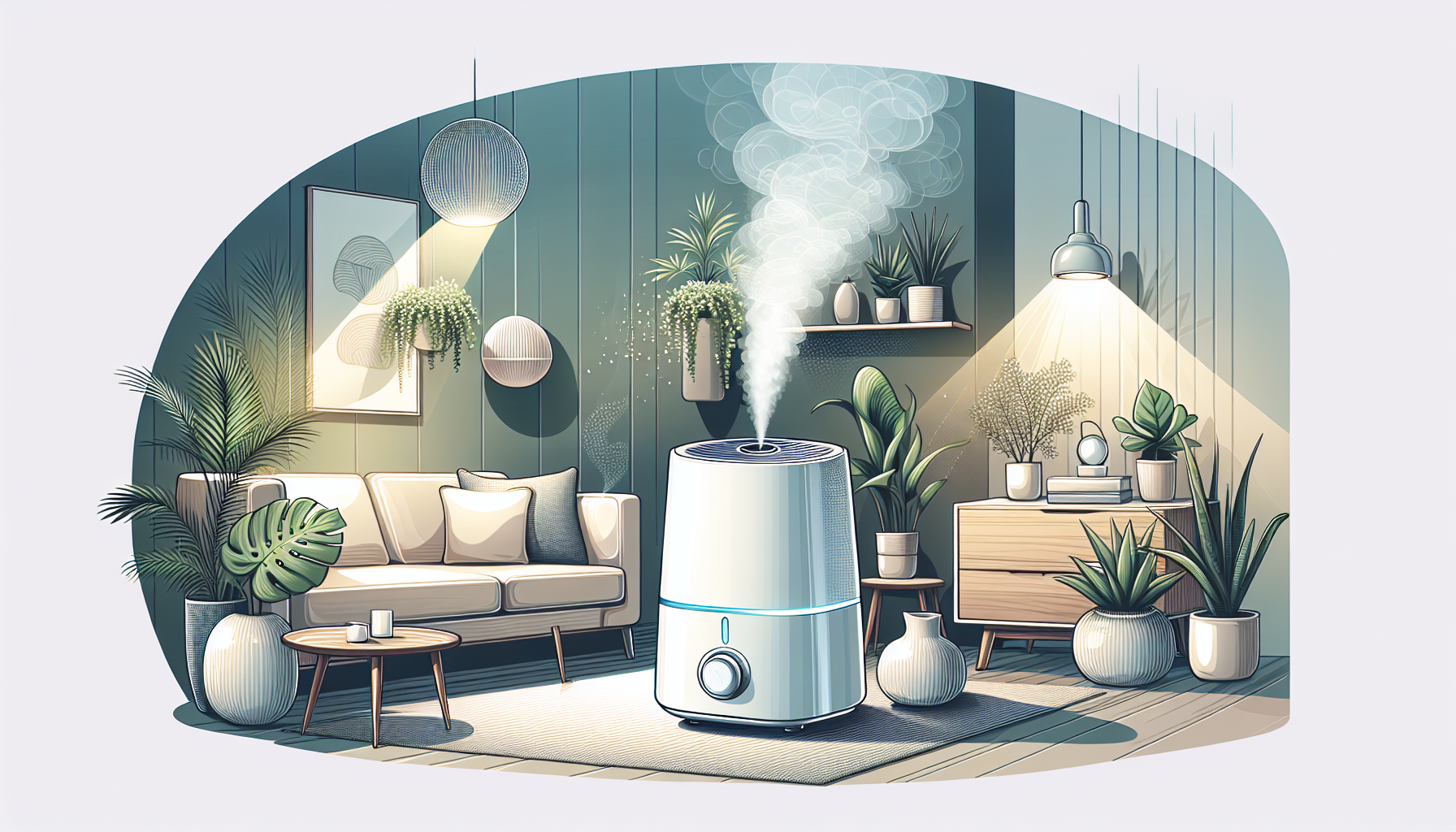
What if you could breathe easier and make your home feel more comfortable? That’s where a humidifier comes in! A humidifier puts moisture into the air, making it easier to breathe and helping you feel warm and cozy. If you want to learn how to install one, keep reading. This guide will help you every step of the way.
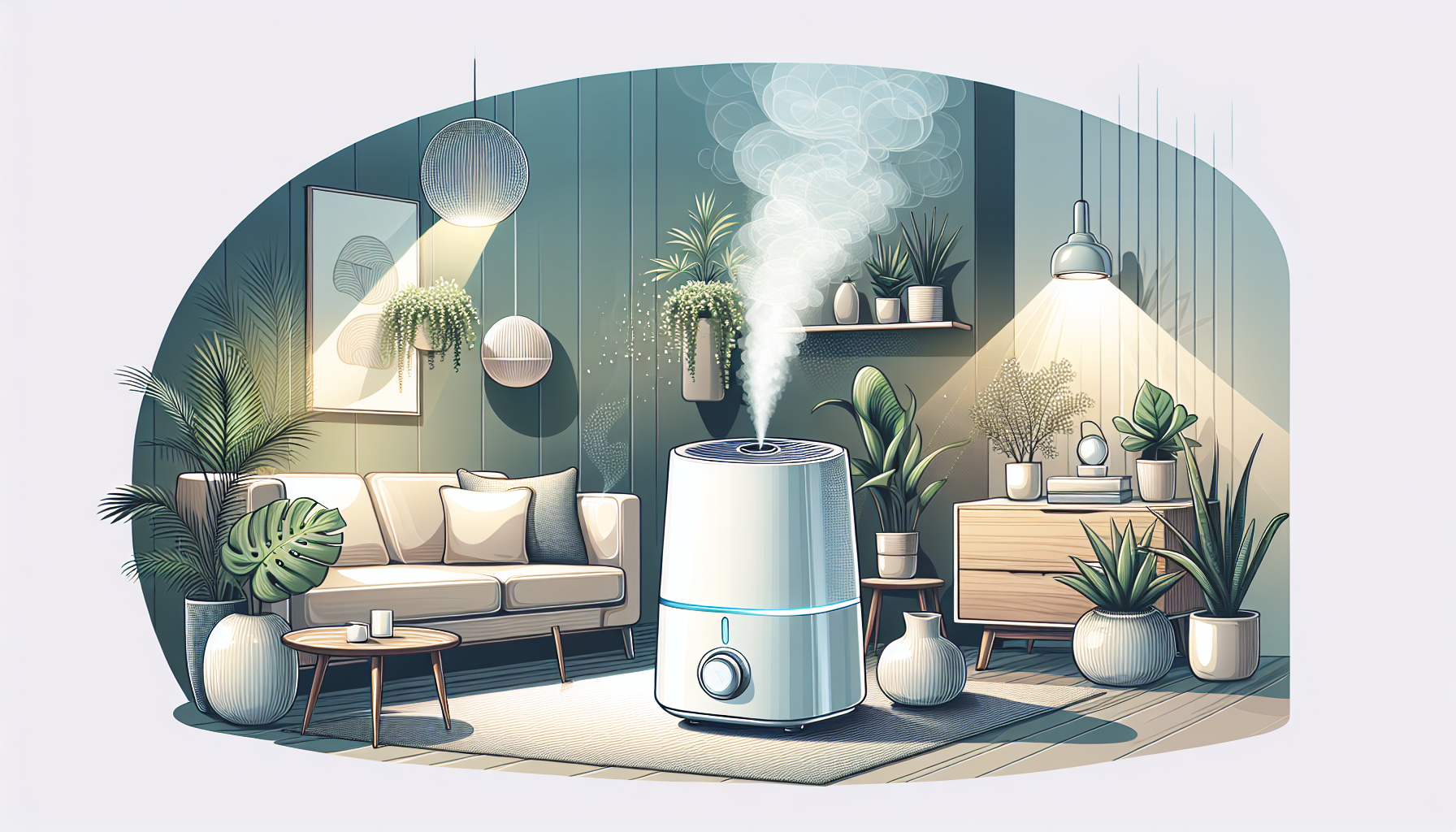

Why Should You Use a Humidifier?
Humidifiers add water vapor to the air. This can help with many things, like:
- Dry Skin: When the air is too dry, it can make your skin feel itchy and uncomfortable.
- Sinus Problems: If you often have stuffy noses or sinus pressure, a humidifier can help clear things up.
- Static Electricity: In dry air, you might get shocked when you touch things. Increasing humidity can reduce this.
- Comfort: A humidifier can make your house feel warmer during winter, saving you money on heating bills!
Types of Humidifiers
Knowing the different types of humidifiers is important because each one works a bit differently. Here are some common types:
Evaporative Humidifiers
Evaporative humidifiers work using a fan that blows air through a wet wick. This is a great option because it automatically adjusts to the humidity level. If the air is already moist, it won’t add more, which can prevent over-humidifying your space.
Steam Vaporizers
Steam vaporizers heat water to make steam and then cool it before it leaves the machine. They can be good for reducing germs but use more energy. You need to be careful with these because they can get hot!
Ultrasonic Humidifiers
Ultrasonic humidifiers use vibrations to create a fine mist. They are very quiet and can be very efficient. They come in cool and warm mist options and are often easy to clean.
Impeller Humidifiers
These humidifiers use a rotating disk to fling water into the air. They are similar to ultrasonic models but usually a bit more affordable. They also produce cool mist.
Preparing for Installation
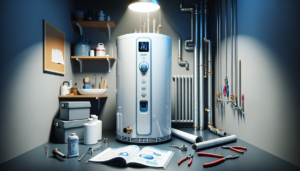
Before you install your humidifier, you should gather the following supplies:
- Humidifier Kit: This usually comes with your humidifier.
- Towels: Because there might be some water, having towels can help keep things clean.
- Screwdriver: You may need a screwdriver to attach the humidifier.
- Level: To ensure the humidifier is straight.
- Water Hose: Make sure to have a hose if your model needs one.
Choosing the Right Location
Finding the right spot to place your humidifier is very important. Here are some tips to help you choose:
- Away from Walls: Place the humidifier a few feet away from walls and furniture to prevent moisture damage.
- Near a Power Outlet: Make sure the humidifier is close enough to an outlet to plug it in safely.
- In a Central Location: A spot in the middle of the room will help the moisture spread evenly throughout the space.
Step-by-Step Installation Guide
Let’s go through the steps to install your humidifier.
Step 1: Read the Manual
Each humidifier comes with a manual. This manual has important information about your specific model. It tells you what parts you will need and any special instructions.
Step 2: Gather Supplies
Make sure you have everything you need. This includes your humidifier, the kit, towels, and tools.
Step 3: Find the Right Spot
Choose a good location based on the tips we talked about before.
Step 4: Set Up the Water Connection
If your humidifier needs to connect to a water supply, use a water hose to attach it. Here’s how:
- Turn Off the Water: Make sure to turn off the water supply to avoid spills.
- Attach the Hose: Connect one end of the hose to the water supply and the other end to the humidifier’s water inlet.
- Secure Connection: Make sure both ends are tight, so they don’t leak.
Step 5: Install the Humidifier
Now it’s time to put the humidifier in place.
- Level the Unit: Use a level to check that the humidifier will sit flat on the surface.
- Secure It: If needed, use screws to attach the humidifier to the wall or surface.
Step 6: Plug It In
Find a nearby outlet and plug your humidifier in. Make sure the cord is out of the way to prevent trips and falls.
Step 7: Fill the Water Tank (If Needed)
If your model has a removable water tank, fill it up using clean water.
- Use Distilled Water: It’s usually better to use distilled water to prevent mineral build-up.
- Don’t Overfill: Be careful not to fill it more than the fill line.
Step 8: Turn It On and Set the Humidity Level
Now, turn your humidifier on! Look for a humidity setting on the humidifier. You can usually set it anywhere from 30% to 50% moisture in the air.
Step 9: Maintain Your Humidifier
To keep your humidifier working well, it’s important to clean it regularly. Here are some tips on how to do this:
- Daily: Check the water level and refill if needed. Empty any leftover water daily.
- Weekly: Clean the tank and parts with vinegar to prevent minerals from building up.
- Monthly: Replace filters if your model uses them.
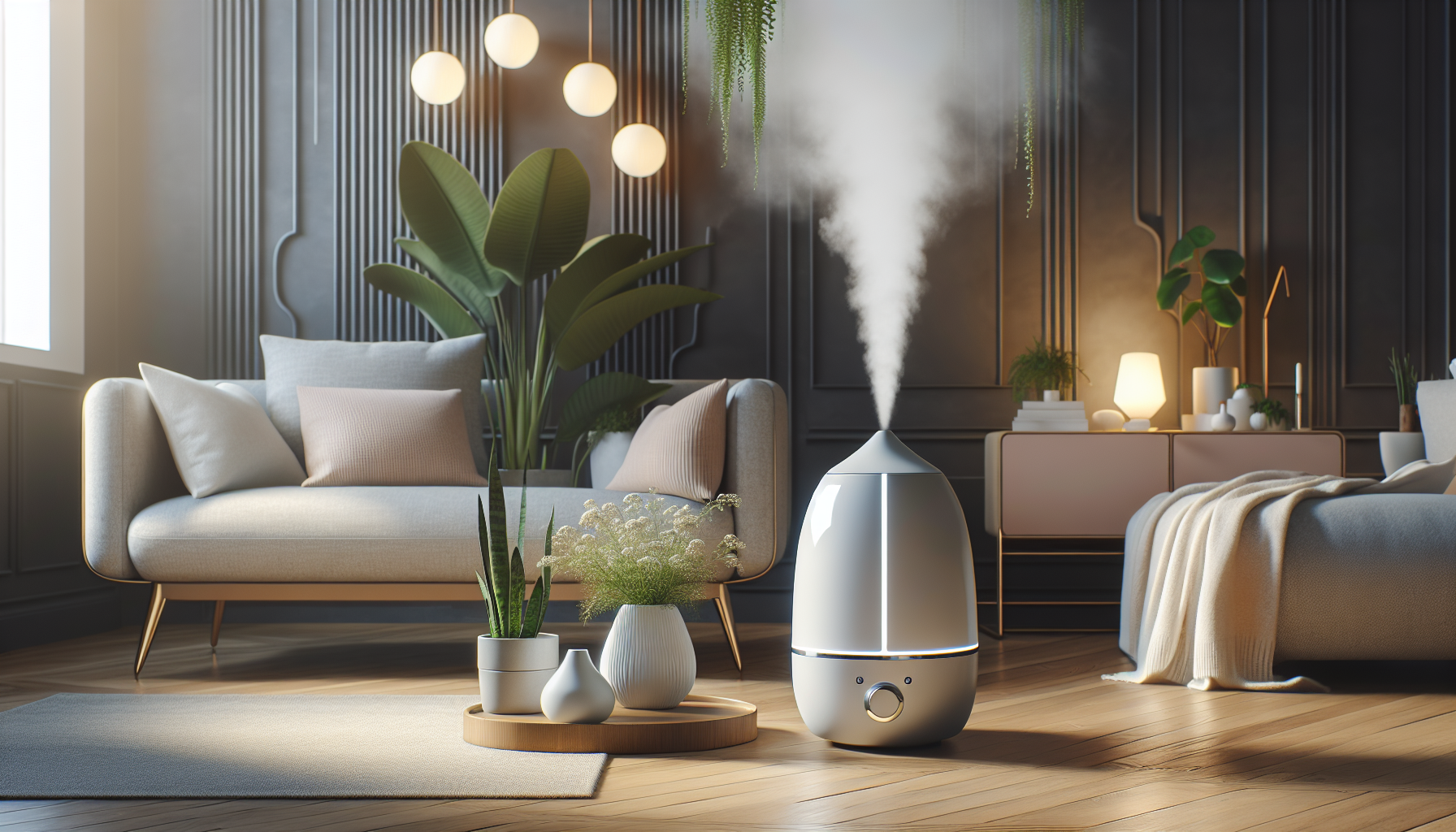
Troubleshooting Common Issues
Sometimes, things might not work as you hoped. Here’s how to solve a few common problems.
Humidifier Isn’t Making Mist
If your humidifier is not producing mist, try the following:
- Check the Power: Make sure it’s plugged in and turned on.
- Inspect the Water Level: Ensure the water tank is full.
- Clean the Unit: Mineral build-up could block the mist. Cleaning may help.
Water Leaking from Humidifier
If you see water on the floor, check these items:
- Loose Connections: Make sure the water hose is tightly connected.
- Crack in the Tank: Inspect the tank for cracks or leaks.
Humidity Levels Too High
If the air feels too damp, you might need to adjust the settings:
- Lower the Humidity: Utilize your humidifier’s controls to decrease the humidity level.
- Open a Window: Sometimes, letting in some fresh air can help balance things out.
Knowing When It’s Time to Call in Help
While you can do many things yourself, sometimes it’s best to get help. If your humidifier isn’t working and you’ve tried basic fixes, give a professional a call.
If the thought of dealing with HVAC issues feels overwhelming, you can trust KadeCo Inc. What makes them a great choice?
- Experience: Kade has worked in HVAC for over 20 years.
- Integrity: They believe in honest work and fair prices.
- Help When Needed: If KadeCo can’t help, they will point you to someone who can.
For any HVAC needs, you can contact KadeCo Inc. at:
KadeCo Inc.
209 Brandywine Rd
Pensacola, FL 32507
(850) 516-7552
Conclusion
Installing a humidifier can be simple and rewarding, making your home a better place. By following this guide, you can learn how to install and maintain one yourself. Remember to take your time and read instructions carefully.
With the right humidifier, you can enjoy fresh, comfortable air all year round. If you have any trouble or want help, don’t hesitate to reach out to KadeCo Inc. They are happy to assist!
Your home can be a cozy haven with the right humidity level. Enjoy breathing easier and feeling great in your space!