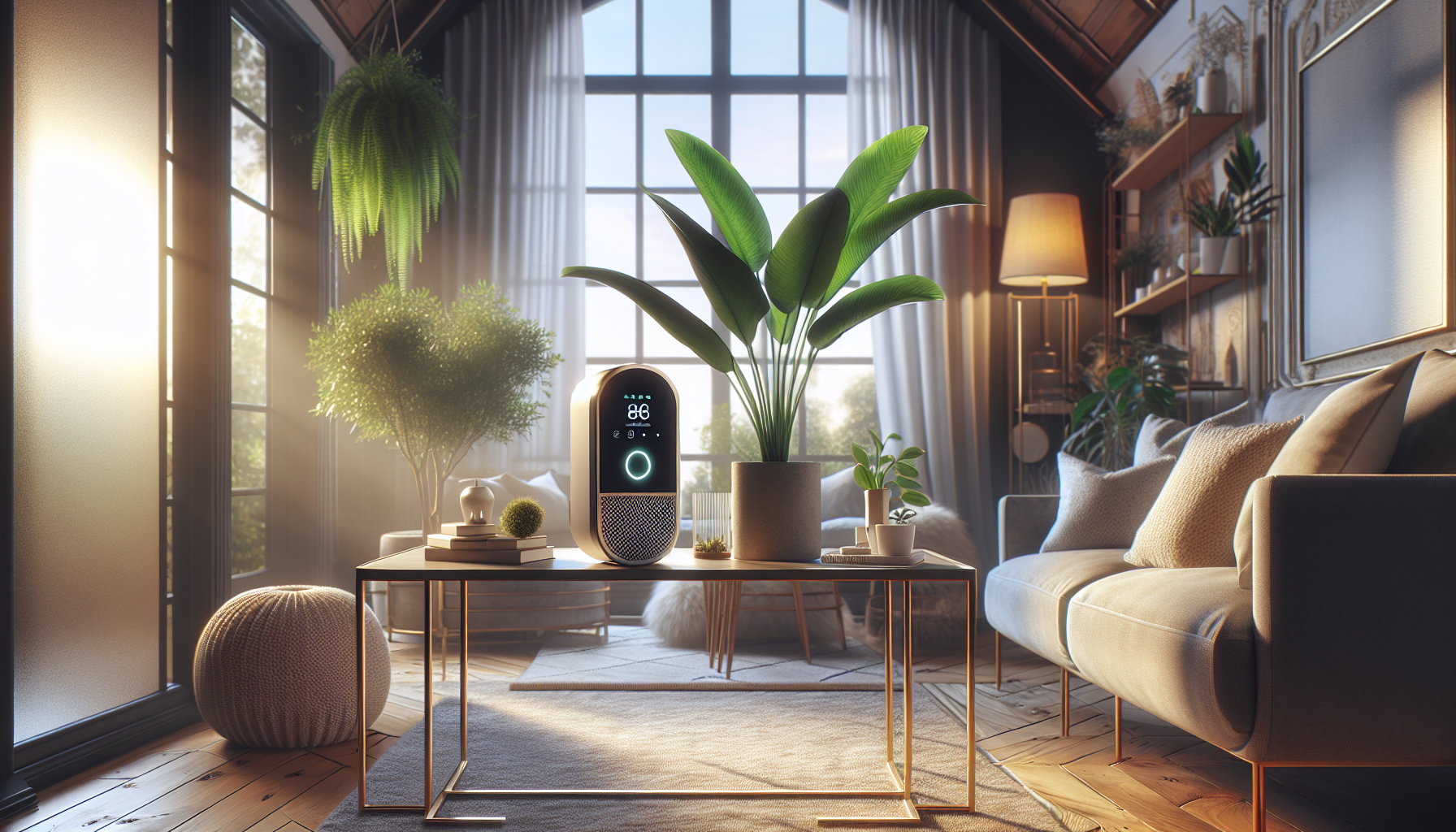
Have you ever wondered what the air in your home is really like? It might look clear and fresh, but there could be hidden problems. Understanding indoor air quality is like having a secret superpower for keeping your home safe and comfortable.

What is Indoor Air Quality?
Indoor air quality (IAQ) is all about the cleanliness of the air you breathe inside your home. Just like you want your toys to be clean and your room to smell nice, the air should be clean too. If the air is full of dust, mold, or certain chemicals, it can make you feel sick or uncomfortable.
Why is Indoor Air Quality Important?
Good indoor air quality is really important for your health. If the air in your home is bad, it can lead to headaches, tiredness, or even allergies. It’s especially risky for young children and pets. Taking care of the indoor air helps everyone feel better and live happier lives.
Signs of Poor Indoor Air Quality
You might be wondering how you can tell if your indoor air quality is not great. Here are some signs to look out for:
- Smells: If you notice musty or strange smells, that can be a sign that there is mold or other issues.
- Dust: If your home gets dusty very quickly, this can mean that there are tiny particles floating in the air.
- Health Problems: If you or someone in your family starts sneezing or coughing a lot, or feels tired for no reason, it might be due to the air you breathe.
- Humidity: If your home feels too wet or too dry, the air might not be balanced properly.
What Causes Poor Indoor Air Quality?
You may wonder what creates the problems in the air inside your home. Here are some common causes:
1. Common Pollutants
Pollutants are tiny things in the air that can cause problems. There are lots of different pollutants to think about:
- Dust: Regular dirt and dust can cause sniffles and sneezes.
- Mold: If there’s moisture in your home, mold can grow. Mold can float in the air and be harmful when breathed in.
- Pollen: When pollen from plants gets inside, it can cause allergies, leading to runny noses and itchy eyes.
- Smoke: Smoke from cooking or from cigarettes can make the air less safe to breathe.
2. Furniture and Cleaning Products
Some furniture and cleaning products can release chemicals into the air. These chemicals can make your indoor air not so safe:
- Paints: New paints can let out gases that smell strong and can be harmful.
- Cleaning Supplies: Some cleaners can make your air smell good but contain chemicals that are not good for you.
3. Lack of Ventilation
Ventilation is how fresh air comes into your home and stale air leaves. If your house is too closed off, the bad air can stay inside longer. You need to let fresh air come in sometimes!
How Can You Test Indoor Air Quality?
Testing your indoor air quality is very important. It can help you find out if your home’s air is safe to breathe. Luckily, testing it is quite simple.
1. DIY Testing Kits
You can buy indoor air quality testing kits from the store. These kits usually come with instructions. They collect samples of your air to see what’s floating around. It’s like being a scientist for a day!
2. Professional Testing Services
If you want to be sure about the air you breathe, you can also hire a professional to test your indoor air quality. Companies like KadeCo Inc. can help! They know all about air testing and can help identify any problems.
3. Monitoring Systems
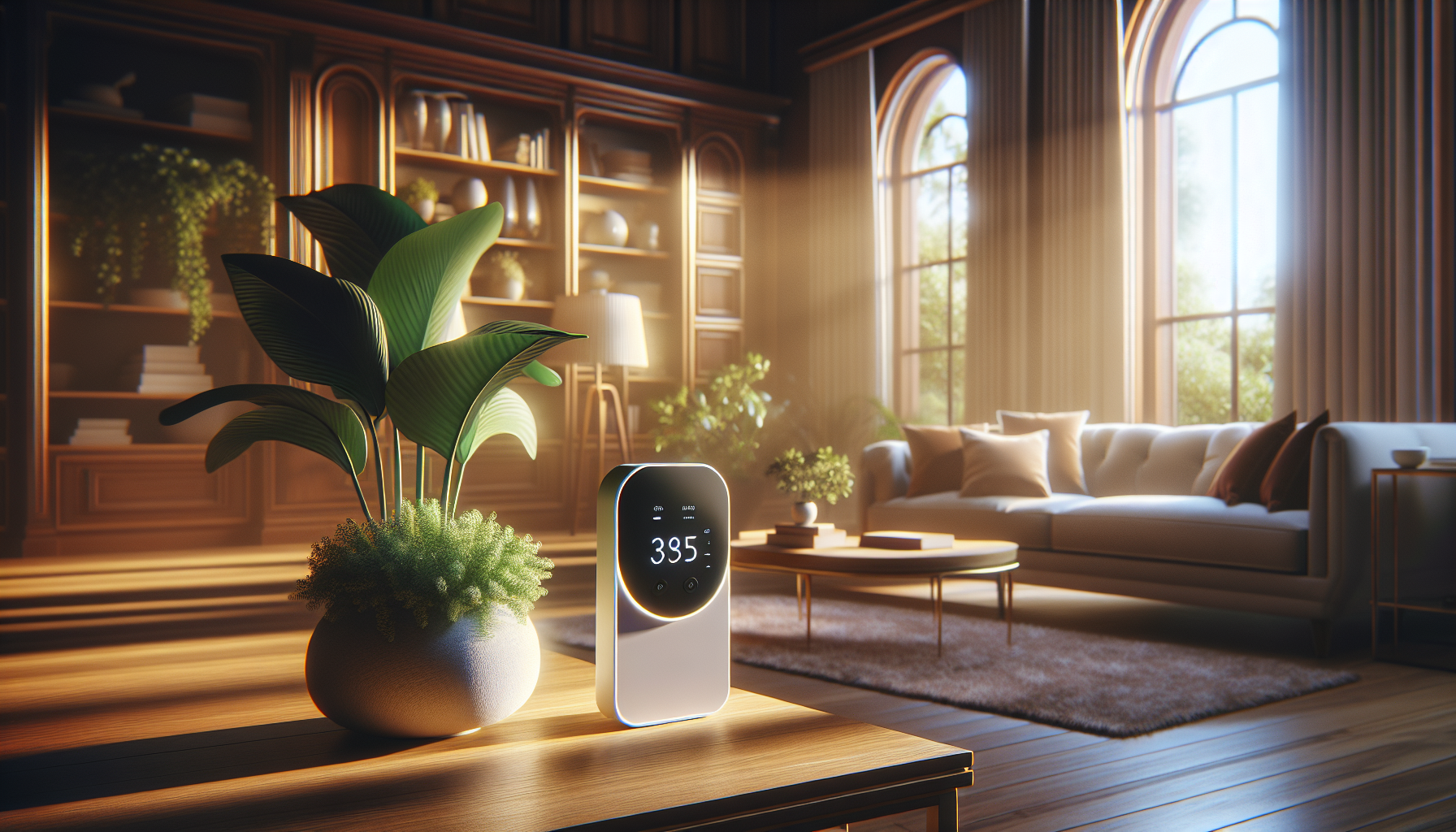
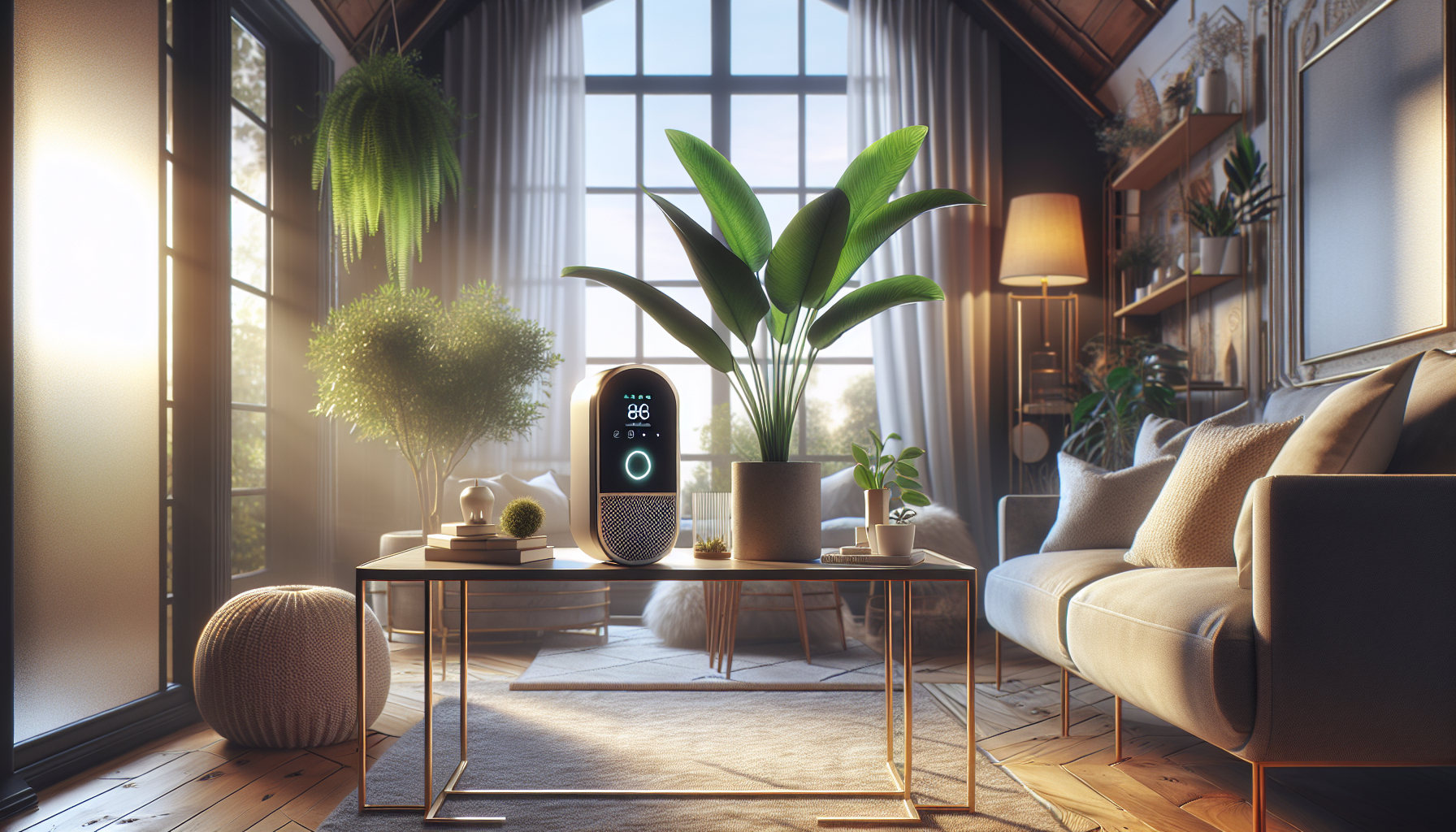
Some systems can keep track of your indoor air quality all the time! They can show you if the air is getting worse or better. These are great tools for families who want to stay safe.
What Happens During Indoor Air Quality Testing?
You might wonder what really happens when you test the air indoors. Let’s break it down:
Collecting Samples
If you use a testing kit, you’ll start by collecting air samples from different rooms in your house. You can follow the kit’s instructions carefully. If professionals do the testing, they have special tools to help them collect clean samples.
Analyzing the Samples
After collecting the samples, the next step is to analyze them. This means looking closely at what’s in the air. The testing kits may change color or show numbers to tell you how clean or dirty the air is. Professionals send samples to labs for more detailed tests.
Getting Results
Finally, you’ll get your results! If the air quality is good, that’s great news! If not, you’ll find out what’s wrong. This information will help you know what to do next to make your air cleaner.
How to Improve Indoor Air Quality
If the results show that your indoor air is not great, don’t worry! There are several things you can do to make it better.
1. Keep Your Home Clean
Cleaning your home regularly helps with indoor air quality. Here are some tips for cleaning:
- Dust Surfaces: Use a damp cloth to dust furniture and shelves.
- Vacuum Often: Use a vacuum with a good filter to suck up dust and dirt from carpets and floors.
- Wash Fabrics: Clean your curtains, blankets, and throw pillows regularly.
2. Control Humidity
Humidity is how wet the air is. If the air is too humid, it can lead to mold. If it’s too dry, that can also cause problems:
- Use a Dehumidifier: This helps take out extra water from the air.
- Ventilate: Open windows when it’s nice outside to let fresh air come in.
3. Air Purifiers
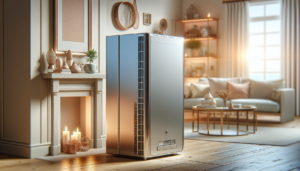
Air purifiers can help clean the air. They catch dust, smoke, and other particles, making the air easier to breathe. You can place them in bedrooms or living rooms for better air quality.
4. Add Plants
Some plants are good air cleaners! They can absorb harmful substances and add fresh oxygen back into the air. Some good plants to consider are:
- Spider Plant: Great for removing pollutants.
- Peace Lily: Likes the shade and cleans the air well.
- Bamboo Palm: Good for adding moisture and cleaning air.
The Role of HVAC in Indoor Air Quality
HVAC stands for heating, ventilation, and air conditioning. This system works to keep your home comfortable and can help with indoor air quality too! Here’s how:
1. Ventilation
Ventilation is how fresh air flows in and out of your home. An HVAC system keeps this flow smooth. You want air to move freely to prevent stale air from sticking around.
2. Air Filters
Your HVAC system uses air filters to trap dust and other particles. Regularly changing these filters helps keep the air clean. It’s a good idea to check them every month and replace them when they’re dirty.
3. Temperature Control
When your home is at a comfortable temperature, it helps everyone feel good. If it’s too hot or too cold, you might feel tired or cranky. A well-working HVAC system helps keep the temperature just right!
Why Choose KadeCo Inc. for HVAC Needs?
If you want to make sure your HVAC system is working well, KadeCo Inc. is a great choice! They specialize in caring for your HVAC system and ensuring the air you breathe is safe.
Who They Are
KadeCo Inc. has been around since 1997, and they know a lot about heating and cooling systems. The owner, Kade Youmans, has worked in the area for over 20 years. This team is dedicated to providing honest service to all customers.
What They Offer
- Free Quotes: They give free quotes on jobs so you know what to expect.
- No Upselling: They believe in fixing what’s broken without trying to sell you extra things you don’t need.
- Customer First: KadeCo’s main focus is you! They want to meet your needs and exceed your expectations.
Location and Contact
If you need to reach them, here’s where you can find KadeCo Inc.:
KadeCo Inc.
209 Brandywine Rd
Pensacola, FL 32507
(850) 516-7552
Taking Action for Clean Air at Home
Now that you know more about indoor air quality testing and how to improve it, you can take action!
1. Test the Air
Start by testing your indoor air quality. Use a DIY kit or contact KadeCo Inc. for professional help.
2. Make Changes
If your air quality needs improvement, try cleaning more, controlling humidity, and using an air purifier. Adding plants is a fun way to clean the air too!
3. Keep HVAC in Check
Remember to take care of your HVAC system. Regular maintenance helps keep the air healthy and comfortable at all times.
4. Stay Informed
Keep learning about air quality and ways to keep it clean. Being knowledgeable helps you make the best choices for your family.
By making your indoor air the best it can be, you’ll have a happier and healthier home. Cleaning the air is a little like taking care of your favorite toys or your room—it’s all about keeping things safe and fun!